Texas Jump-N-Splash Delivers Water Slides Rentals to Houston and Surrounding Cities
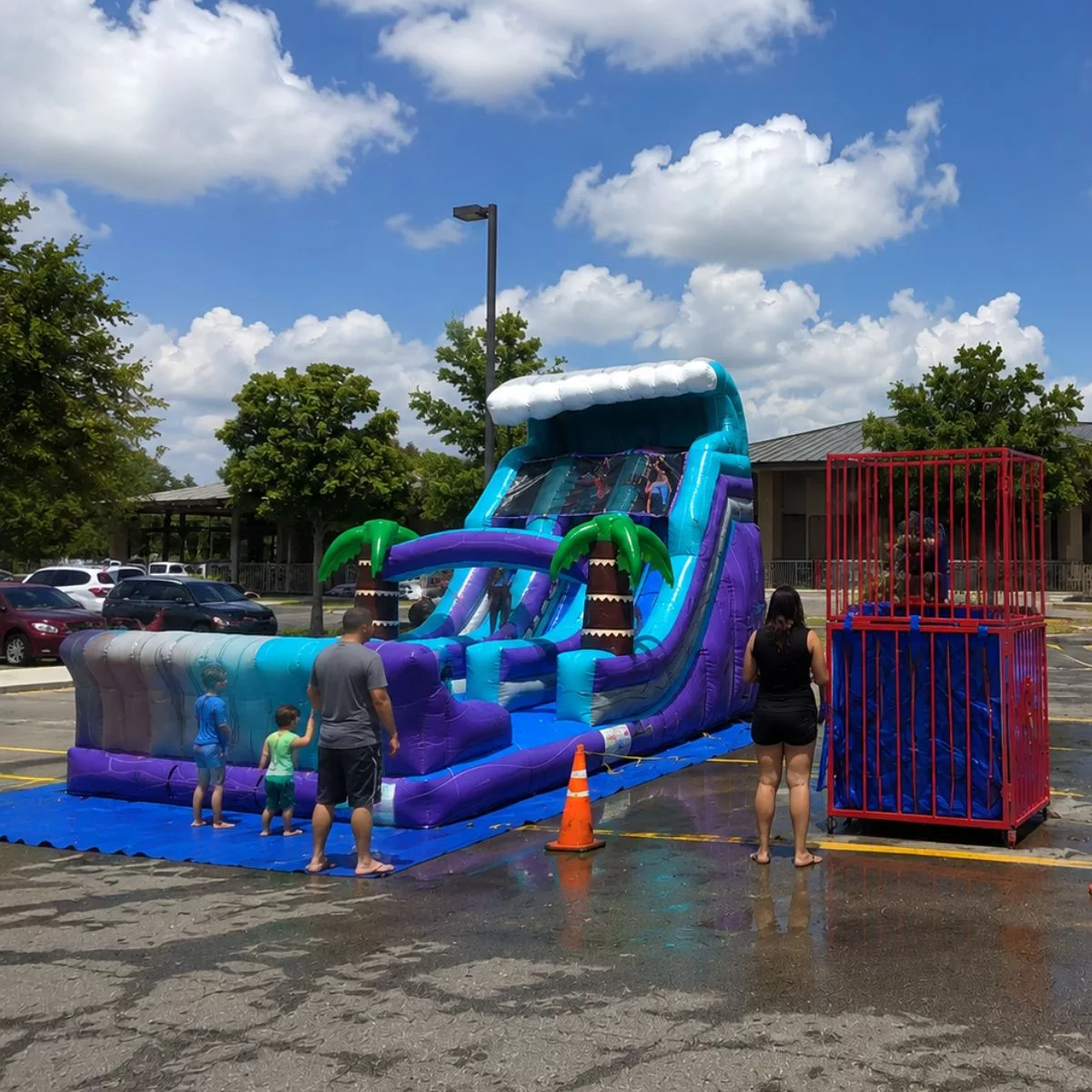
Texas Jump N Splash is a one stop shop for all your inflatable water slide rentals in Houston, Katy, Cypress TX. Texas Jump-N-Splash is your go to for inflatable water slide rentals in Houston, Katy, Cypress Texas and surrounding areas. Water slides make a summer party complete. If there are three things kids love, it's running on grass, playing in sprinklers-and propelling themselves down a sloped surface covered by a steady stream of water.
Our water slides come in a range of sizes, styles and themes. Many of our customers love a water slide-bounce-house combo, so your kiddos can bounce around before cooling themselves off with a thrilling trip down the water slide!
Don't leave out the adults! Water slide rentals range from 15 feet tall-to a whopping 20 feet tall. If you want to entertain a restless group of kids or adults looking for the perfect warm-weather activity, we have the right water slide for you. Please click on the item you are interested in to see pictures and specifications.
Reserve a clean, high-quality water slide rental today. You'll only pay $50.00 for the deposit to reserve, regardless of which water slide you select. The balance will be due on the day of your party or event. You can order online 24 hours a day or call our office during business hours and speak to one of our team members. For any immediate questions, check out our FAQ page. We loo forward to helping you make your party a success!
Check out our Texas Jump-N-Splash Rentals in Houston, TX
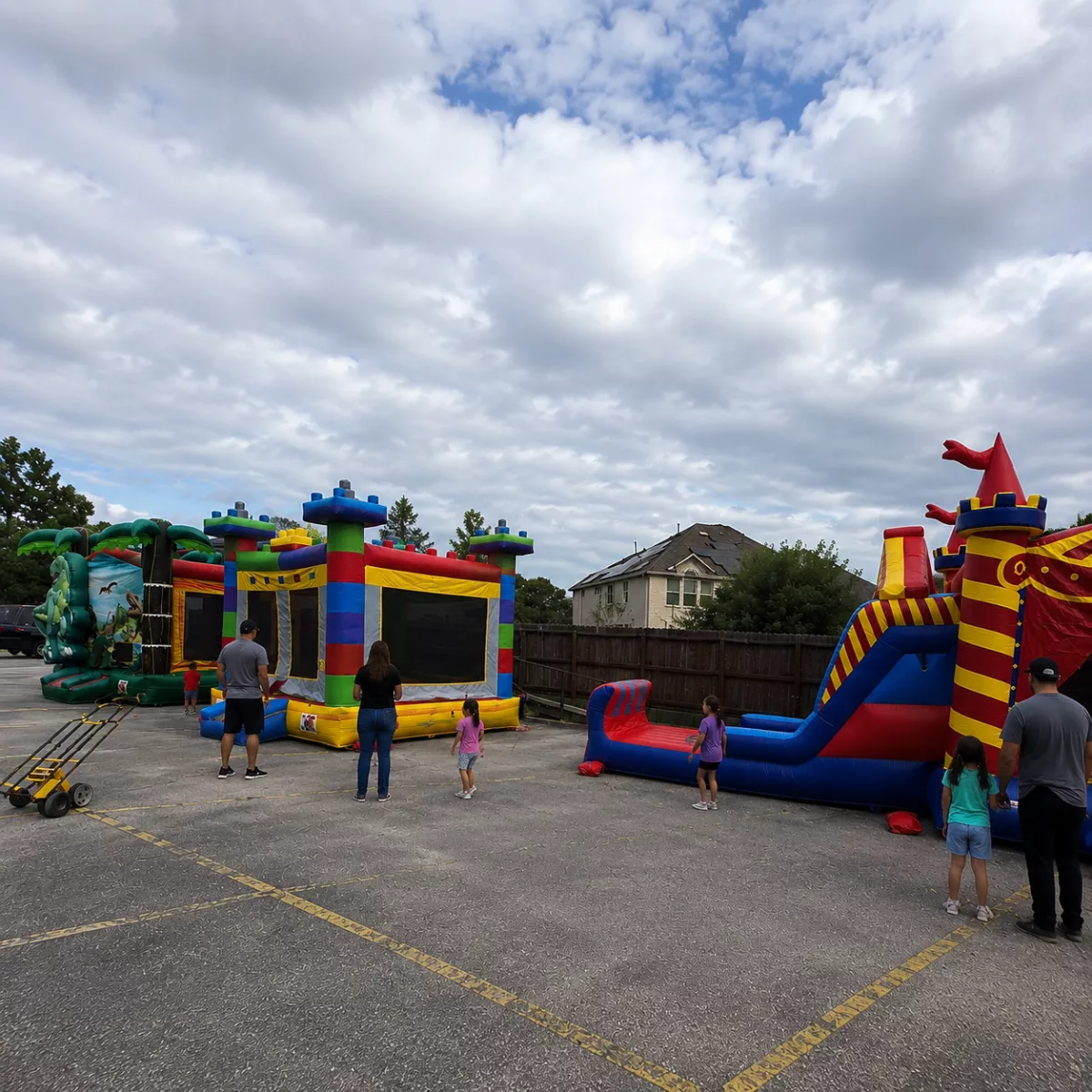
Looking for a water slide rental or maybe something else? We have an amazing selection of water slide rentals to choose from. Everyone thinks of inflatables as just a standard bounce house! There is so much more to the inflatable world than just a bounce house. We offer combo bounce house rentals, water slide rentals, obstacle course rentals, carnival ride rentals, and concession machine rentals.
- Water Slide Rental: Check out our slide bounce houses, inflatable water slides with pools, and inflatable water slide rentals with splash landings.
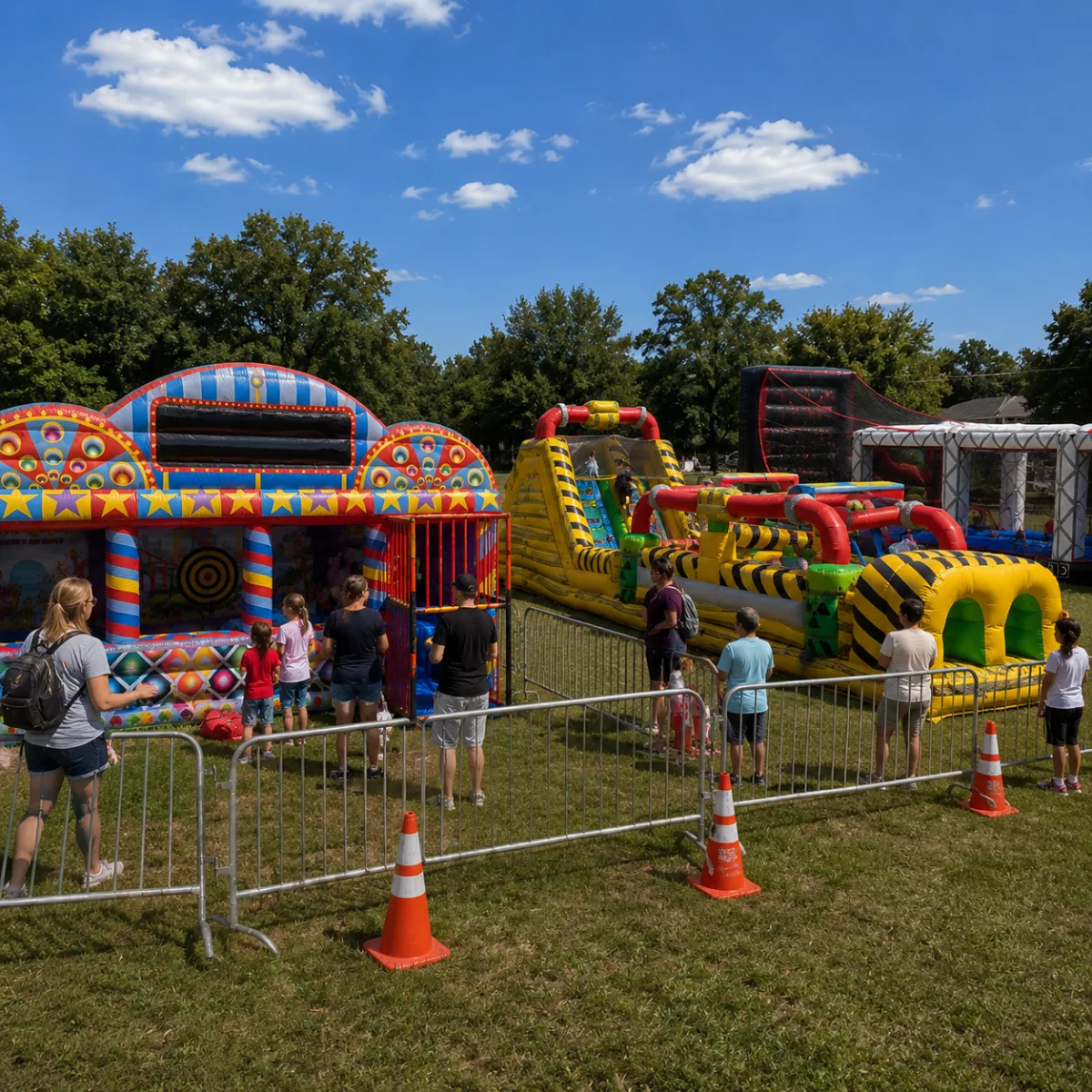
- Obstacle Course Rental: Browse our selection of obstacle course inflatables and games designed for any size event and any age participant.
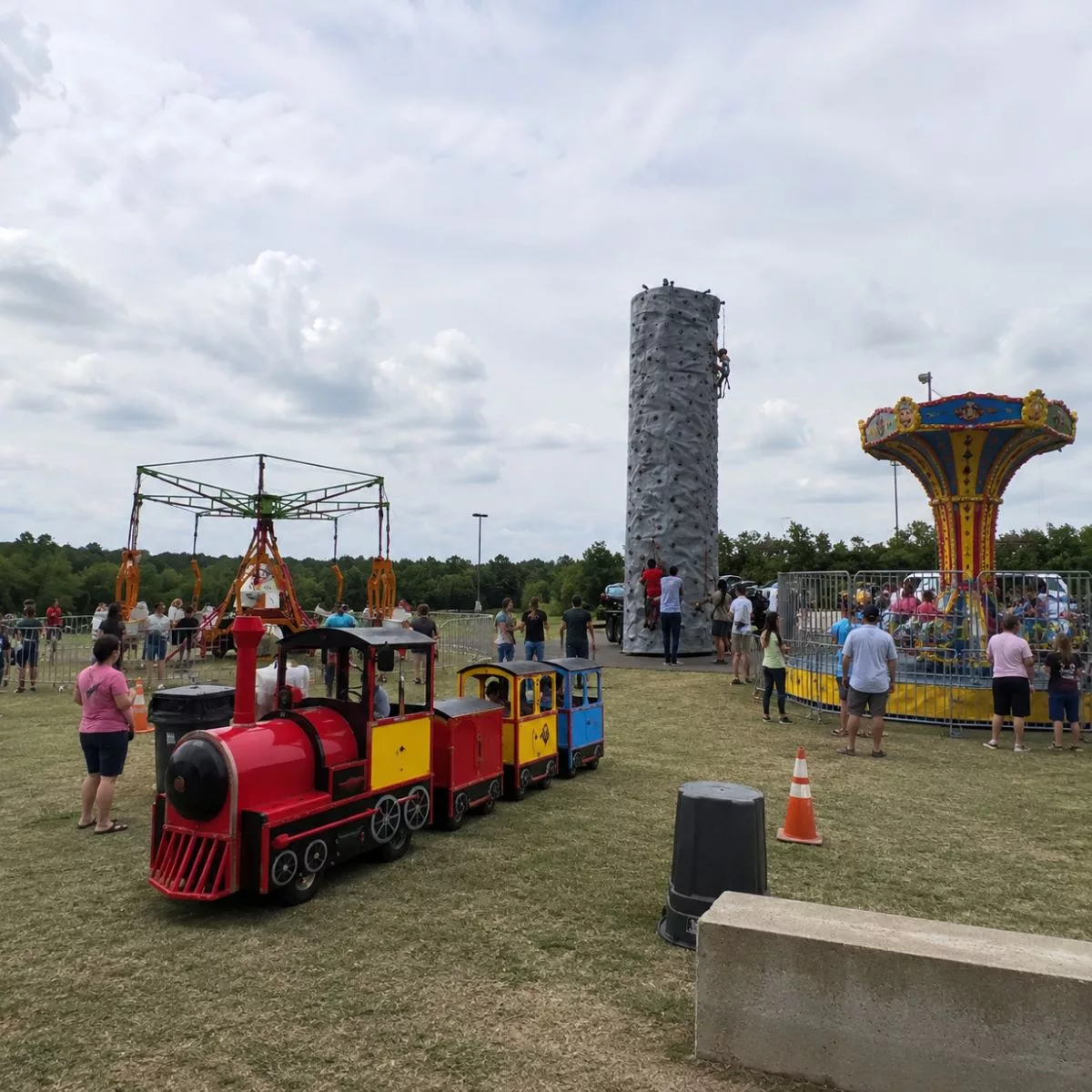
- Carnival Ride Rental: Our carnival rides and attractions include the Climbing Rock Wall, the Gyroscope rides, the Mechanical Meltdown ride, the Minder Winder carnival ride, and so much more!
- Foam Party Rentals: Texas Jump N Splash is your go-to source for the best party experiences and our Foam Machine is the perfect addition to take your celebrations to new heights.
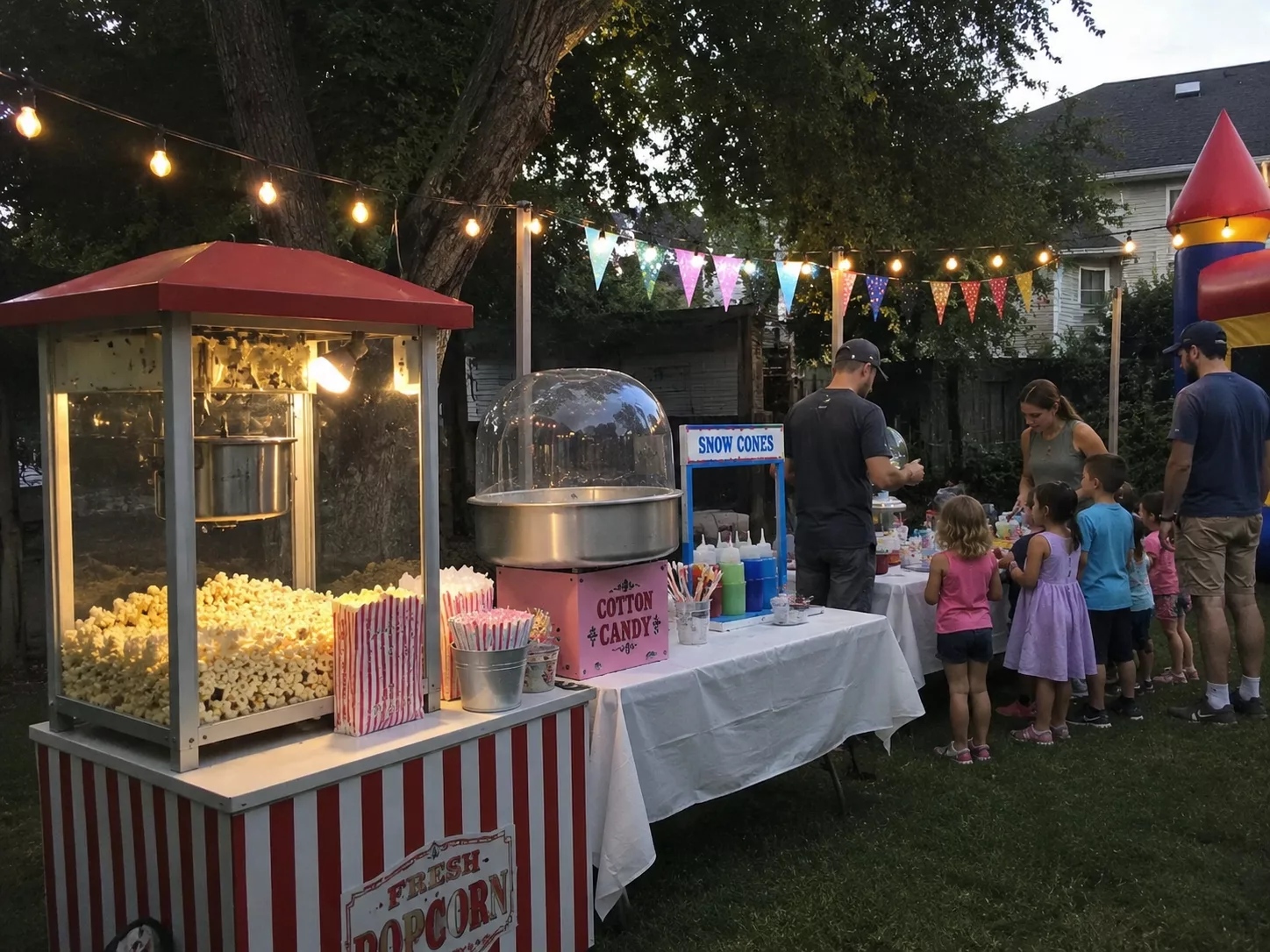
- Concession Machine Rental: We provide cotton candy machine rentals, popcorn machine rentals, snow cone machine rentals, and a range of other party accessories.
Texas Jump-N-Splash Delivery Area!
At Texas Jump-N-Splash we deliver water slide rentals to Houston Texas and surrounding cities like Richmond Texas, Katy Texas, Cypress Texas, Sugar Land Texas, and many other cities in the greater Houston area. If you are having a party or event and you don’t see your city listed just give one of our friendly event specialists a call so we can check and see if we service your area. We love Texas and we love providing laughs and smiles with every order!
Call Us For Your Next Water Slide Rental In Houston 832-228-4164

_1787424040_big.jpg)
_1787424040.jpg)


_1787423879_big.jpg)
_1787423879.jpg)


 (10)_1787424166_big.jpg)
 (10)_1787424166.jpg)